ENERGY STAR Home Certifications
ENERGY STAR/Builder Tax Credit
HERS Raters are also the primary mechanism for qualifying home for the US Environmental Protection Agency’s ENERGY STAR for Homes program and the 2005 Energy Policy Act Tax Credit.
Raters are closely aligned with building scientists as well and they are the network that takes much of what is learned in the building science community and helps put the knowledge to work in the field.
What is a Home Energy Rating?
A Home Energy Rating is a scoring system that helps a consumer compare homes of different makeup based on their energy loads.
What is done to determine the Rating?
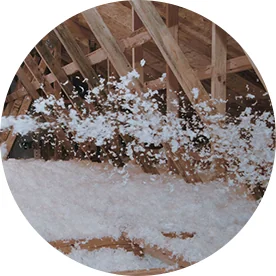
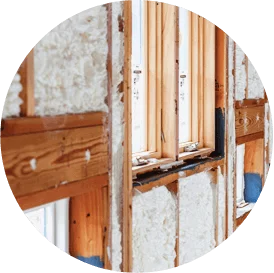
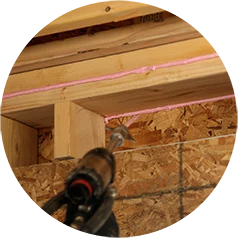
The HERS rater will examine the attic insulation. The rater will inspect prior to drywall for insulation defects.
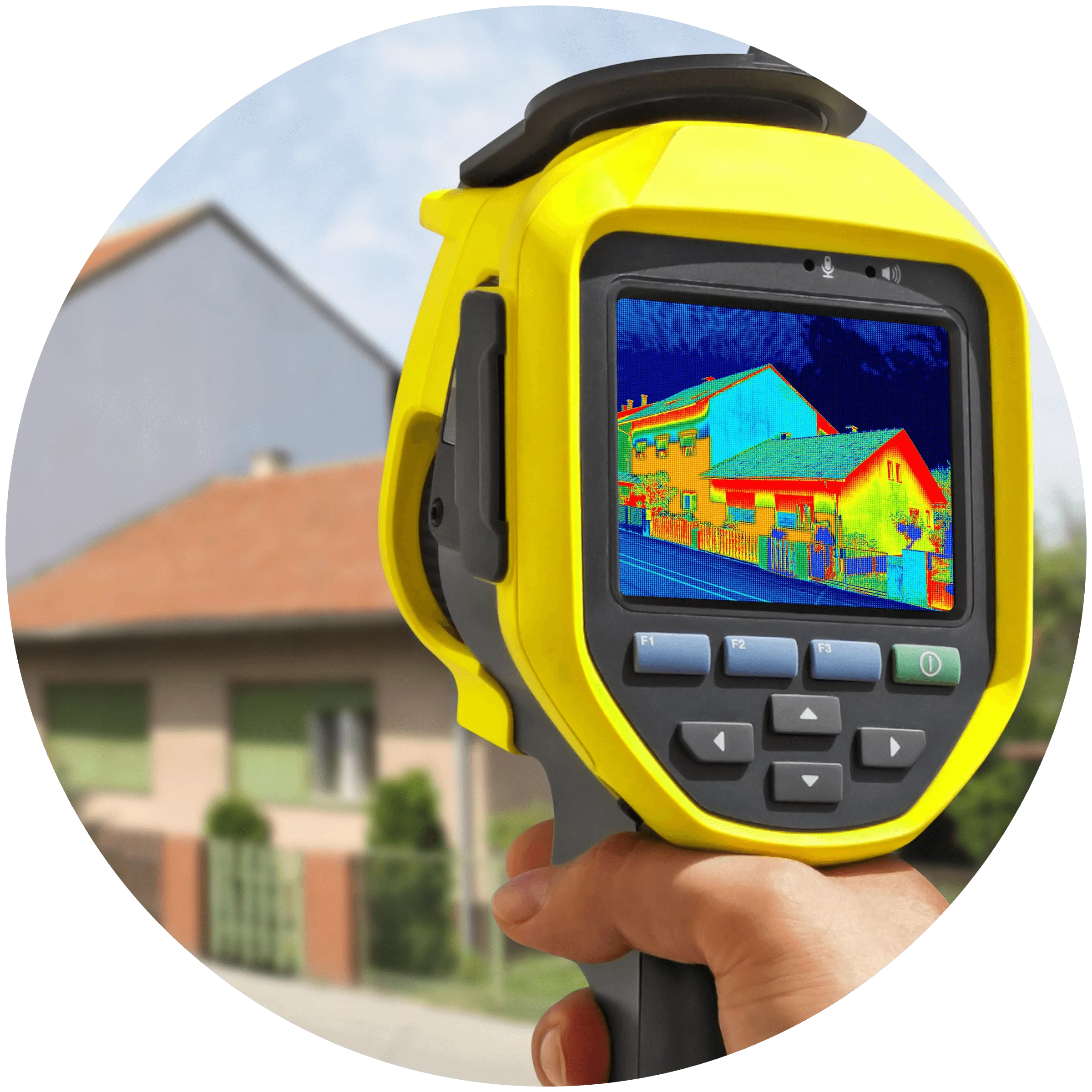
Blower door and duct leakage testing are required. The blower door not only shows how and where air leaks occur, but can determine what level of air tightness is best to keep the indoor environment healthy. Duct leakage is the most common energy defect.
By looking for the EPA’s ENERGY STAR label, the homebuyer will be assured of a level of performance above the minimum efficiency rating.
Consulting with the rater up front will allow the builder/architect to assess what-ifs to find corrections for common problems. If the designer has command of pricing, the consulting exercise can result in improvements that add little or no up-front cost to the building.